Washing Machine Not Draining: Causes, Diagnosis, and Solutions
A washing machine not draining is one of the most common household appliance problems. It can manifest in various ways: water remains in the drum after washing, the program freezes during the spin cycle, or the machine does not complete the cycle at all. Ignoring these symptoms can lead to leaks, unpleasant odors, and appliance damage.
Main Reasons Why a Washing Machine Does Not Drain
Clogged Pump Filter
The pump filter protects the pump and prevents large objects from entering the mechanism. Small items such as coins, buttons, threads, and lint can clog the filter. When the filter is blocked, the pump cannot remove water, causing drainage delays. Regular cleaning of the filter is an important preventive measure.
Clogged or Twisted Drain Hose
The drain hose carries water from the washing machine drum to the drain. If the hose is twisted, compressed, or clogged, water will not flow out. Residue from detergents and small debris can gradually obstruct normal water flow.
Pump Malfunction
The pump is a key component of the drainage system. It can fail due to wear, mechanical damage, or foreign objects entering it. If the pump does not work, water remains in the drum, and the washing machine does not proceed to the next stage of the wash cycle.
Electronic or Software Issues
Modern washing machines are equipped with electronic control modules. A malfunction in the control board can block the drainage process, even if the filters and pump are functioning properly. Sometimes simply unplugging the machine for a few minutes helps, but serious malfunctions require electronic diagnostics.
Incorrect Laundry Load
Overloading the machine can cause drum imbalance and hinder water drainage. Excessive laundry also puts extra strain on the pump and filter, increasing the risk of clogs.
How to Diagnose the Problem
- Check the Pump Filter: Open the filter, carefully remove it, and clear any debris. If water starts draining after cleaning, the problem is resolved.
- Inspect the Drain Hose: Ensure the hose is not twisted, compressed, or clogged. Blow through the hose or rinse it with water.
- Test the Pump: If the pump is suspected to be faulty, check its operation during the drain cycle. If the pump does not work, it may need repair or replacement.
- Reset the Software: Disconnecting the washing machine from the power supply for 5–10 minutes can sometimes restore the control board’s function.
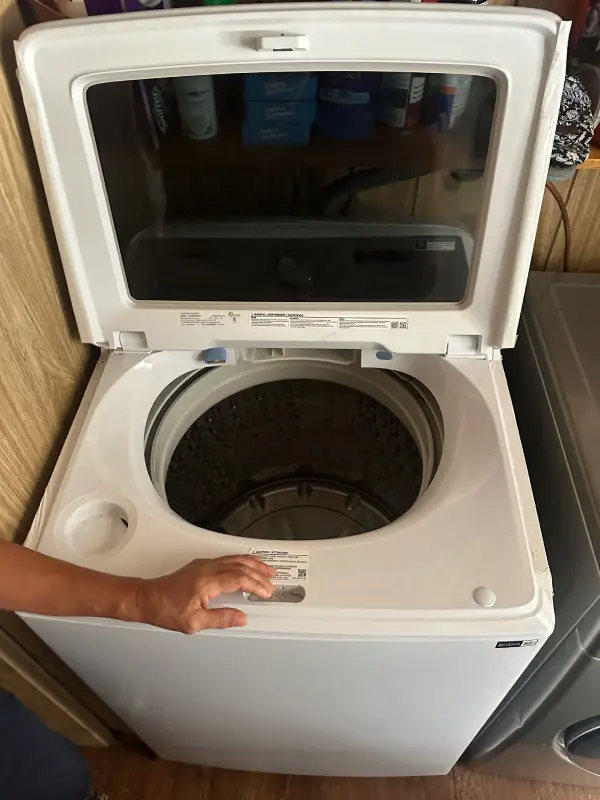
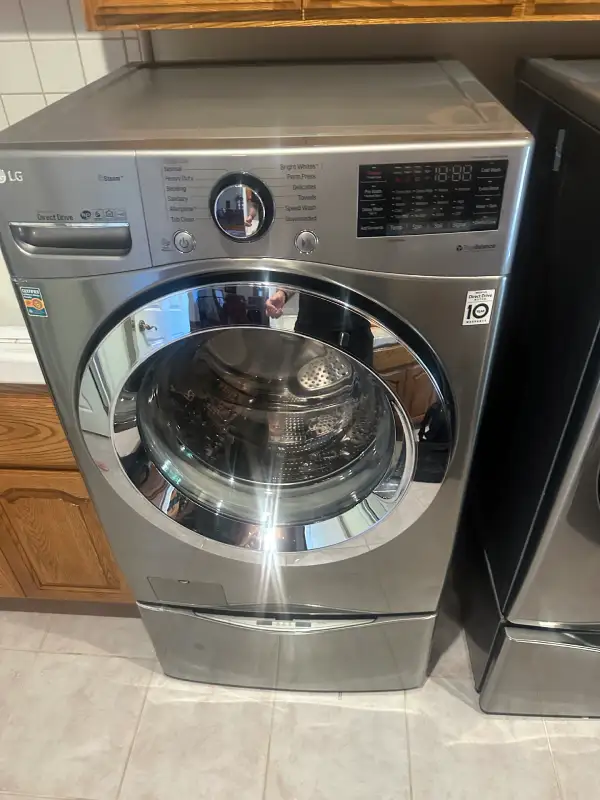
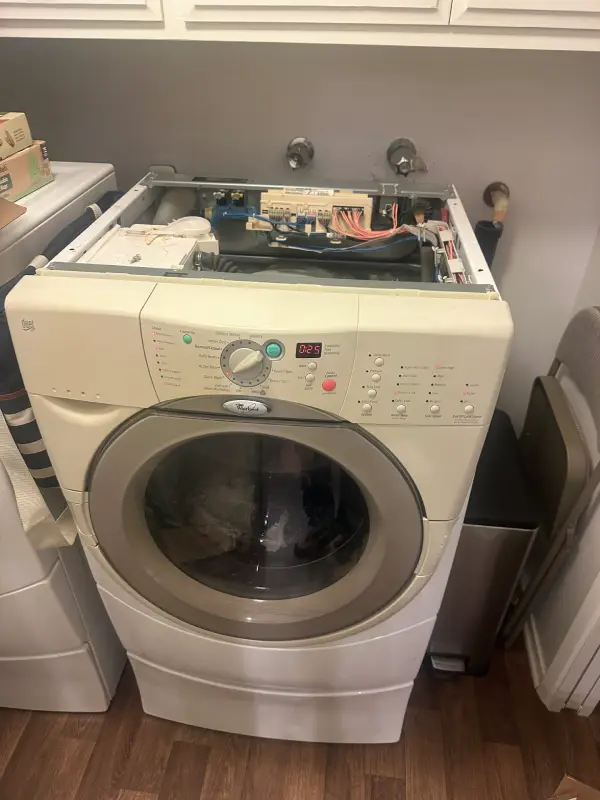
Methods for Troubleshooting
- Clean the Pump Filter – Regular maintenance prevents most drainage issues.
- Flush the Drain Hose – Removing debris and checking the hose’s integrity helps restore proper water flow.
- Repair or Replace the Pump – If the pump is broken, it may need to be repaired or carefully replaced if you have experience.
- Check and Reset Electronics – If the mechanical components are fine, the issue may be software-related. In some cases, updating or reprogramming the control module can help.
- Follow Proper Loading Practices – Avoid overloading the machine and distribute laundry evenly to prevent drum imbalance.
Preventive Measures for Drainage Problems
- Clean the pump filter regularly (every 1–2 months).
- Check the drain hose for clogs and twists.
- Use quality detergents and avoid excessive amounts of powder or liquid.
- Do not overload the washing machine and follow the manufacturer’s weight recommendations.
- Periodically check the drum for small objects before washing.
Conclusion
If a washing machine is not draining, it is important not to delay addressing the problem. Most cases are caused by clogged filters or hoses, but sometimes pump replacement or electronic diagnostics are necessary. Timely maintenance and proper use can minimize the risk of such issues and extend the lifespan of your washing machine.